

Pig farming is one of the most profitable livestock businesses for farmers who want to produce meat quickly and efficiently. Pigs grow fast, reproduce quickly, and convert feed into body weight better than many other livestock animals.
Many farmers across Africa are now turning to pig farming because the demand for pork continues to increase in urban and rural markets. With proper housing, feeding, and disease control, pig farming can become a reliable and sustainable source of income.
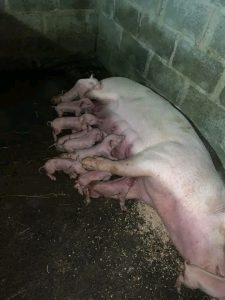
New babies are source of happiness for a farmer
In this article, we explain the key steps every beginner must follow to start pig farming successfully.
At Payoju Farms Enterprises, we train farmers in practical pig farming management systems that help them start and expand successful pig enterprises”.
C.E.O – Mr. Mwape
Why Pig Farming Is a Profitable Business
Pig farming offers several advantages for farmers who want to invest in livestock production.
Some of the main benefits include:
Fast growth rate compared to many livestock animals
High reproduction rate with large litter sizes
Strong market demand for pork
Efficient feed conversion
Ability to start on a small scale and expand gradually
Because of these advantages, pig farming is considered one of the most profitable livestock businesses when managed properly.
Choosing the Right Pig Breeds
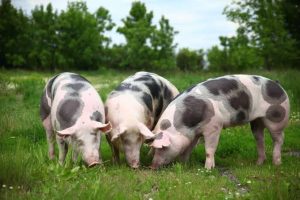
Selecting the right pig breed is very important for productivity and profitability. Farmers should choose breeds known for fast growth, good meat quality, and strong adaptability.
Some common pig breeds used for meat production include:
Large White
Landrace
Duroc
Hampshire
Farmers should always buy breeding stock from reputable breeders to ensure healthy and productive animals.
Pig Housing and Shelter
Proper housing is essential for maintaining pig health and productivity. A good pig house protects animals from extreme weather conditions and helps maintain hygiene.
A good pig housing system should include:
Strong and durable construction
Proper drainage to remove waste
Good ventilation for fresh air circulation
Enough space for pigs to move comfortably
Some farmers are also adopting Indigenous Microorganism (IMO) pig housing systems, which help reduce smell and improve waste management.
Feeding and Nutrition for Pigs
Feeding plays a major role in pig growth and meat production. Pigs require balanced diets that provide energy, protein, vitamins, and minerals.
Common pig feed ingredients include:
Maize
Soybean meal
Wheat bran
Maize bran
Mineral supplements
Farmers should ensure that pigs always have access to clean drinking water, as water is essential for digestion and growth.
Pig Breeding and Reproduction
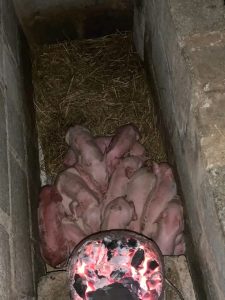
Pigs reproduce very quickly, which helps farmers increase herd size rapidly.
A healthy sow can produce:
8 to 12 piglets per litter
2 litters per year under good management
To improve breeding success, farmers should:
Select strong breeding boars
Maintain proper nutrition
Provide clean and comfortable farrowing areas for sows
Good breeding management improves productivity and profitability.
Disease Prevention in Pig Farming
Disease outbreaks can cause serious losses in pig farming. Farmers should always focus on preventive measures.
Important health management practices include:
Regular vaccination programs
Proper sanitation of pig housing
Controlling parasites through deworming
Isolating sick animals immediately
Working with veterinary officers can help farmers maintain healthy pig herds.
Marketing Pork and Piglets
Before starting pig farming, farmers should understand their target markets.
Common markets for pig products include:
Butcheries
Restaurants and hotels
Local markets
Individual consumers
Breeding stock buyers
Farmers can earn income by selling:
Mature pigs for slaughter
Weaner piglets
Breeding stock
Developing strong market connections helps farmers sell pigs at better prices.
Conclusion
Pig farming can become a highly profitable business when farmers apply proper management practices. With good housing, feeding, breeding, and disease control, farmers can successfully grow their pig enterprises.
Many successful pig farmers started small and expanded gradually as they gained experience.
If you want to learn practical pig farming skills, Payoju Farms Enterprises offers training programs designed to help farmers succeed in livestock production.